
Ethereum: Operation fails when liquidity increases uniswap v3 using Web3.py
As an experienced programmer, you probably know how important it is to increase liquidity for exchanges to cryptocurrencies such as Binance Smart Chain (BSC). One of the popular solutions is the use of the Uniswap protocol, a decentralized amendment (DEX), which allows automated trading between two currencies. However, trying to increase the liquidity of your position using Web3.py, you may face surgery failures.
UNISWAP V3’s understanding
Before we look at this problem, let’s quickly review the Uniswap V3. This version of UNISWAP is an open source implementation that uses an intellectual Ethereum contract platform to facilitate operation between two currencies (ERC-20 tokens). The protocol is based on a combination of Web3.py and the Uniswap Abi Treaty.
web3.py and uniswap
To use Web3.py with Uniswap, you have:
- Install Web3 and Ethers.js packages.
- Apply the necessary libraries in the Python script.
- Log in to Ethereum network using Ethers Library.
Here is the example of a code that shows how to use Web3.py from Uniswap:
`Python
Import Web3
W3 = Web3.web3 ()
Configure both of the address
both = b ' x87f8a6d5'
uniswap v3 agreement both
ContractdDRESS = '0x ...'
Uniswap V3 Treaty address (amendment of the actual contract address)
Login to Ethereum network
W3.eth.net = contract
Get the current liquidity
Liquidity = W3.eth.Liquilum ()
Increase liquidity using Web3.py
Newliquidge = W3.eth.Liquidge () * 2
Update the liquidity of the Uniswap Agreement
W3.eth.Contract (ContractDDRESS = ContractDDRESS, both = both).
Print (New Liquidity:, Newliquidge)
Transaction fails when liquidity increases
Now that we have configured our Web3 connection and the Uniswap V3 contract, let’s try to increase the liquidity. However, if the operation fails, you must solve the problem.
Here are some possible reasons:
- Network overload : If your Ethereum network is crowded, it may delay the operation.
2.
3.
Problem solving
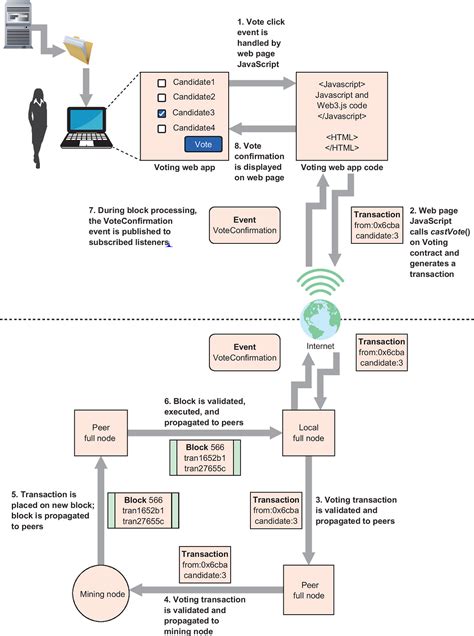
To solve the problem, follow the following steps:
- Check network overload : Increase the award for the block or adjust the mining algorithm to reduce network centers.
- You can check the gas limit on the official Ethereum website.
- Check the logic of the contract : Review the uniswap contract code and make sure it works correctly.
Examples of use
Suppose you want to increase liquidity in your uniswap position using Web3.py. Here is the updated fragment of the model code:
`Python
Import Web3
W3 = Web3.web3 ()
Configure both of the address
both = b ' x87f8a6d5'
uniswap v3 agreement both
ContractdDRESS = '0x ...'
Uniswap V3 Treaty address (amendment of the actual contract address)
Login to Ethereum network
W3.eth.net = contract
Get the current liquidity
Liquidity = W3.eth.Liquilum ()
Increase liquidity using Web3.py
Newliquidge = W3.eth.Liquidge () * 2
Update the liquidity of the Uniswap Agreement
W3.eth.Contract (ContractDDRESS = ContractDDRESS, both = both).
Print (New Liquidity:, Newliquidge)
By performing these steps and understanding potential problems, you should be able to solve surgery failures when the liquidity of the UNISWAP V3 is increased using Web3.py. Remember to try and monitor your operations to ensure their success.