
The power of cryptocurrency: Identification of market trends with reverse patterns
In recent years, cryptocurrencies have been fascinated by investors and merchants. With the growth of decentralized currencies such as bitcoin, Ethereum and others, the world has never seen so many investment opportunities. At the same time, it is as exciting as this new border is essential to understanding the basic aspects of cryptocurrency markets. One of the main aspects is the identification of reverse patterns – this is the decisive tool for merchants trying to take advantage of market trends.
What are the reverse patterns?
Reverse samples refer to specific price movements or diagram formations that indicate the potential shift of market momentum. These samples can be identified with various technical and basic analytical techniques that include analysis of historical data and market emotions. By recognizing reverse patterns, merchants can predict the direction of price movements and make sound investment decisions.
Types of reverse patterns
There are many types of reverse patterns that merchants can pay attention to the cryptocurrencies market:
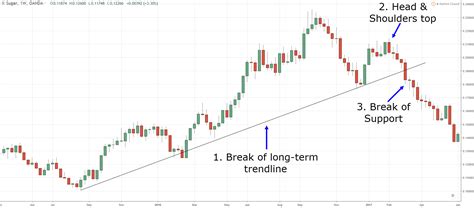
- Head and shoulder : A classic reversal pattern characterized by a slight increase or decrease in the price, followed by a significant drop, often accompanied by hat -shaped top or shoulders.
- Inverse head and shoulders : Inverse version of the head and shoulder pattern where prices are expected to bounce before they fall.
- Twin Top Reversal : A reverse pattern that occurs when two peaks hold at the same price level, often followed by a significant price drop.
- Triangle pattern : A bullish or bear trend reversal pattern characterized by three pages that form a “l” shape.
To identify the reverse patterns
To identify the inverse patterns, merchants must analyze various market indicators and diagram formations. Here are some key items you need to find:
- Moving averages (today)
: Merchants can use moving averages to measure the overall trend of cryptocurrency price movement. If a bullish or bear samples are created, it is expected today over or below the 50 -day and 200 days of simple moving average lines.
- RSI : The Relative Strength Index (RSI) measures market volatility, helping merchants identify over -purchased or excessive conditions that may indicate reverse samples.
- Bollinger Bars : These bands promote the display of price operations and can be used to identify potential reversals when the price affects a particular level.
- Diagram patterns : Traders should study chart patterns such as wedges, triangles and head and shoulder formations.
How to use reverse patterns
Once the merchants have identified the potential translation patterns, the following steps should be taken into account:
- Confirmation : Before making investment decisions, merchants must confirm that the pattern of historical data and market conditions has occurred.
- Wait for confirmation : merchants have to wait a few days or weeks to see if they reinforce the reverse pattern before entering the market.
- Set the stop losses : Create a clear stop loss level to manage potential losses if the reverse pattern is not true.
- Position Measurement : Use positioning techniques to ensure that merchants only commit a specific capital at a given price level.
Conclusion
Cryptocurrency markets can be unpredictable and reverse patterns are essential for identifying market trends. By acquiring technical analysis and recognizing joint reverse samples, merchants will increase the chances of making well -established investment decisions. Although no strategy is foolish, reverse pattern recognition and combining basic research and risk management techniques can help merchants navigate the ever-changing landscape of cryptocurrencies.