
NFTs and Generative Art: A New Era of Digital Expression
In recent years, the world of digital art has witnessed a revolution in the form of Non-Fungible Tokens (NFTs) and Generative Art. These innovative technologies have opened up new avenues for artists to express themselves, experiment with new ideas, and connect with their audience on a deeper level.
What are NFTs?
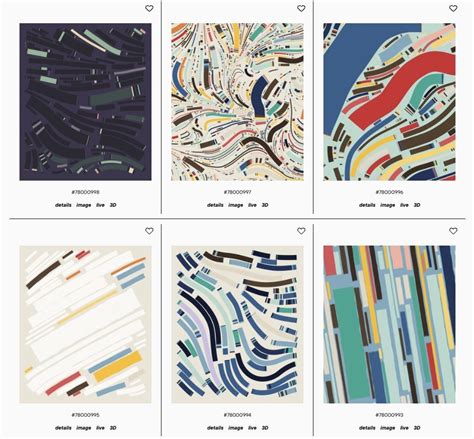
A Non-Fungible Token is a unique digital asset that represents ownership of a specific item or piece of art. Unlike cryptocurrencies like Bitcoin or Ethereum, which are interchangeable and fungible, NFTs are one-of-a-kind digital tokens that can be bought, sold, and traded on online marketplaces. Each NFT has its own metadata, such as the original artwork’s title, description, and provenance.
The Rise of NFTs in Digital Art
In 2017, the first NFT platform, SuperRare, was launched by artist Adam Neustrom. This pioneering effort marked a significant shift in the digital art market, allowing artists to mint unique pieces that could be sold as NFTs. Since then, numerous other platforms have emerged, including OpenSea, Rarible, and Mintable.
NFTs have become increasingly popular among collectors, enthusiasts, and even institutions, who are drawn to their unique characteristics and the potential for value appreciation over time. The rise of social media platforms like Twitter, Instagram, and TikTok has also fueled the growth of the NFT market, as artists can now showcase and sell their work directly to their followers.
What is Generative Art?
Generative Art is a type of digital art that uses algorithms, software, or other tools to create unique and often unpredictable works. This style of art emerged in the 1970s with the development of computer-generated images (CGI) and has since evolved into various forms, including fractal art, procedural generation, and neural networks.
Generative Art can be seen as a form of “artistic expression” that is entirely based on algorithms and computational processes. Unlike traditional art, which relies on human intuition and creativity, Generative Art is driven by mathematical formulas and computational rules.
The Connection between NFTs and Generative Art
The integration of NFTs and Generative Art has created a new paradigm for the way digital art is created, exhibited, and interacted with. Artists can now use algorithms to generate unique pieces of art that can be sold as NFTs, while also creating interactive and immersive experiences that can be viewed online.
For instance, the artist, Okunbo Abanobara, has used Generative Art techniques to create stunning digital sculptures that can be minted as NFTs. Similarly, the platform, Mintable, allows artists to use Generative Art algorithms to create unique pieces of art that can be sold as NFTs.
The Future of Digital Expression
As technology continues to advance and social media platforms become increasingly popular, the world of digital art is likely to evolve further in the coming years. The intersection of NFTs and Generative Art has opened up new possibilities for artists to express themselves, experiment with new ideas, and connect with their audience on a deeper level.
While there are still many challenges to overcome, such as ensuring the authenticity and provenance of digital art, the potential rewards of this innovative technology make it an exciting area of exploration. As we look ahead to the future of digital expression, one thing is clear: NFTs and Generative Art have revolutionized the way we experience and interact with digital art, and their impact will only continue to grow.
Conclusion
In conclusion, NFTs and Generative Art represent a new era of digital expression, where technology has unlocked unprecedented possibilities for artists to create, share, and connect with their audience.