
I can provide you with an article about Ethereum’s double-spend attack vulnerability and possible solutions.
Ethereum: Double-Spend Attack Vulnerability
The Ethereum protocol is designed to ensure the integrity of the blockchain using a complex set of rules and consensus mechanisms. However, one of the key aspects that makes Ethereum vulnerable to a type of attack known as the “double-spend” attack is its reliance on high transaction fees.
In a standard client architecture, new transactions are prioritized by their timestamp, and newer transactions are transmitted before older ones. This ensures that conflicting or duplicate transactions do not interfere with each other’s execution. However, malicious actors can exploit this priority mechanism to send transactions with higher fees directly to the network pool, regardless of the order of the original transaction.
Double Spend Attack:
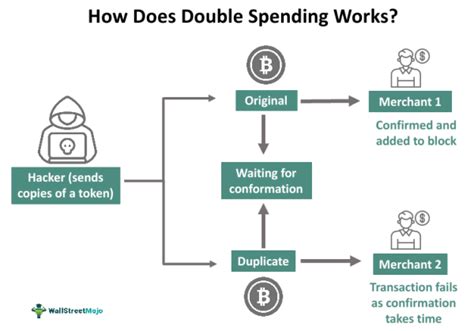
A double spend attack occurs when a malicious user sends two separate transactions that are essentially the same, but one is more expensive than the other. By sending these duplicate transactions at a lower fee, the attacker can drain the user’s wallet or take control of the entire network by purchasing all relevant assets at a lower fee rate.
Problem:
This vulnerability occurs because Ethereum’s high transaction fees encourage users to prioritize transactions based on the time they were sent. As a result, if two transactions are identical, but one has higher fees than the other, it will not have priority over time, even if its timestamp is more recent.
To illustrate this, let’s consider a scenario where Alice wants to send 10 units of ether (ETH) to Bob. This can create two duplicate transactions: one with a fee rate of 0.0001 ETH and the other with a fee rate of 2 ETH. If the first transaction is transmitted before the second because it has a newer timestamp or if there are no other competing transactions, the second transaction with the higher fee will be accepted on the blockchain.
Preventing Double Spending Attacks
While it may seem like a design flaw in Ethereum that allows double spending attacks, developers are actively working to address this vulnerability. Some possible solutions include:
- Fee reduction:
Mechanisms are implemented to reduce transaction fees or implement price caps to prevent users from sending duplicate transactions.
- Transaction prioritization by timestamp:
Although this is not possible in a standard client architecture, some proposals suggest assigning priority based on sender reputation, network performance, or other factors.
- Implementation of “soft” prioritization: A soft prioritization system is being implemented, where transactions are forwarded before others if there is no competing transaction, but only as a last resort to ensure the integrity of the blockchain.
Conclusion
The double-spend attack vulnerability in Ethereum highlights the need for ongoing security research and development to prevent such attacks. While the current design may not be feasible or desirable, recognizing this issue can help developers begin to explore potential solutions that address the root cause of the problem.
It is important to note that the Ethereum community is actively working to resolve these issues through various proposals and consensus mechanisms. Developing stronger security measures will likely involve a combination of technical innovations and changes to the core protocol design.
In conclusion, understanding the vulnerabilities in Ethereum’s double-spend attack mechanism can help developers and users identify potential weaknesses in the system. By recognizing this problem and exploring solutions that improve network integrity, the Ethereum community aims to create a more secure and resilient blockchain infrastructure for everyone.