
Here is an article on how to send a value to a smart contract function using MetaMask and Web3.js:
Sending Values to Smart Contract Functions with MetaMask and Web3.js
When interacting with smart contracts from web applications, one of the most critical steps is sending data to the contract. In this article, we will explain how to use MetaMask and Web3.js to send values to a smart contract function.
Prerequisites
To follow along, you must have:
- MetaMask: A browser extension that allows you to interact with decentralized applications (dApps) on the Ethereum blockchain.
- Web3.js: A JavaScript library for interacting with the Ethereum blockchain and Web3-compatible web applications.
Step 1: Set up MetaMask
Before we begin, make sure you have MetaMask installed on your browser. To install it:
- Go to [metamask.io]( in your browser.
- Click “Get MetaMask” and follow the installation instructions.
- Once installed, launch MetaMask in your web browser.
Step 2: Connect to the Ethereum network
In MetaMask, click the three vertical dots (⋯) next to your account image and select
Settings. Scroll down to the
Web3 Connection
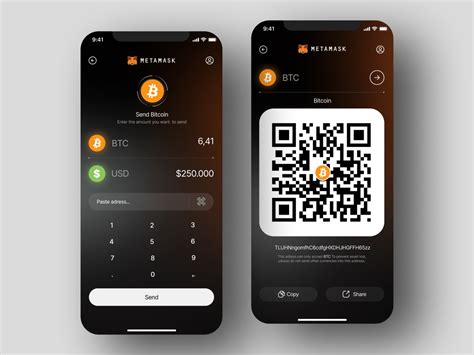
section and select
Ethereum from the drop-down menu.
Step 3: Generate an address
After connecting to the Ethereum network, you will be prompted to generate a new address. Click “Create New Address” to create one.
Step 4: Install Web3.js
To interact with smart contracts using Web3.js, you need to install it in your browser. You can do this by doing the following:
- Go to [codepen.io/pen/BfRkWJ]( and create a new HTML file.
- Copy the JavaScript code below into an HTML file.
// Import the Web3.js library
const web3 = require('web3');
Step 5: Load your smart contract contract
Replace with the URL of your smart contract contract. You can find this by:
- Go to the contract on Remix or other dApp platforms.
- Right-click (or Ctrl + click) and select "Copy Address" from the context menu.
// Load your smart contract contract
const web3 = new web3(new Web3.providers.HttpProvider('
const contractAddress = '0x...';
const contractabi = {
// Replace with your contract ABI
};
Step 6: Send the value to your smart contract function
To send a value to your smart contract function, you'll need to:
- Get an object that represents a function that accepts data.
- Create an instance of the function and call it with the data.
Here is an example of using the web3library:
// Import the Web3.js library
const web3 = new web3(new Web3.providers.HttpProvider('
// Define your contract function
async function myContractFunction(data) {
// Suppose your contract function has a method like this
return 42; // Replace with the actual interest value in your contract
}
// Send the value to your smart contract function
const myContractAddress = '0x...';
myContractAddress.then(async (contract) => {
const contractInstance = new web3.eth.Contract(contractabi, contract);
const result = await contractInstance.methods.myFunction(data).call();
console.log(result); // Replace with the actual result of your smart contract
});
Step 7: Handling errors and returning
When sending data to your smart contract function, you may encounter errors or unexpected outcomes. To handle these cases:
- Use try-catch
blocks to catch any errors that occur.
- Log error messages using a library likelog4js`.
- Consider implementing retry logic with exponential lag to avoid overloading the network.