About Metamask’s Auto-Account Selection Feature and Transaction Issues
As you may know, Metamask is a great tool for managing your digital assets and interacting with various blockchain platforms. One feature that can sometimes cause problems is Metamask’s auto-account selection behavior when making transactions or requests.
In this article, we’ll dive into the details of what happens when Metamask attempts to request an account using the eth_requestAccounts method and how it can lead to unexpected transaction results.
The eth_requestAccounts Method
When you call metamask.window.ethereum.request({method: "eth_requestAccounts"})), Metamask will attempt to query your MetaMask wallet for connected accounts. This method is designed to retrieve a list of currently connected accounts and return them as an array.
Auto-Account Selection Behavior
Now, here's where things get interesting. When Metamask requests your account viaeth_requestAccounts, it may sometimes choose an arbitrary connection based on a variety of factors, including:
- Randomness: The choice is made randomly from all connected accounts.
- Connection Type: Metamask may select a different connection type (e.g. wallet or external provider) that is not the one you initially chose.
The Problem: Unconnected Accounts
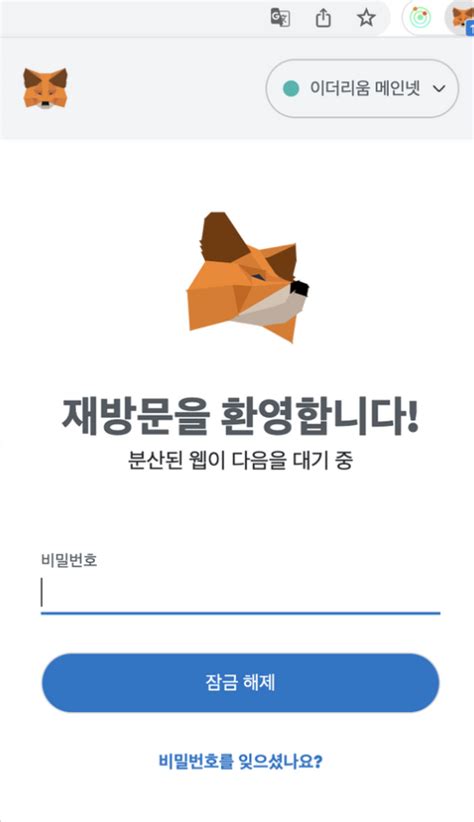
Unfortunately, this auto-selection behavior can sometimes lead to unexpected transaction results. When the selected account is not connected to the Dapp and Metamask automatically selects an alternative account, the following may occur:
- Unverified or Invalid Transactions: The transaction may fail because you do not have access to the private key of the selected account.
- Incompatible Accounts: The selected account may not be compatible with the wallet settings or Dapp configuration you chose.
Consequences of auto-selected accounts
To illustrate this issue, consider a scenario:
Suppose you have three MetaMask accounts: Alice (logged in), Bob (not logged in to the site), and Charlie (also not logged in). When you callmetamask.window.ethereum.request({method: “eth_requestAccounts”})), it chooses Charlie as the auto-selected account. However, when you try to send a transaction using Charlie’s private key, it may fail because it is an unverified or invalid account.
Workaround and Best Practices
To resolve this issue and avoid unexpected transactions:
- Make sure your selection is correct: Double-check that the selected account is actually logged in to the site and matches your Dapp configuration.
- Verify the connection: Use Metamask’s built-in verification features (e.g.,
metamask.window.ethereumVerificationAddress) to ensure that Charlie is a valid and verified account.
- Use the
eth_requestAccountsoption wisely: When using this method, consider setting an optionalforceSelectionflag tofalse, which allows you to specify a different account when prompted.
Conclusion
In conclusion, while Metamask’s automatic account selection feature can be convenient, it can lead to unexpected transaction results if not used correctly. By being aware of potential issues and taking steps to verify your selection, you can minimize errors and ensure a smooth experience when interacting with your Dapp and MetaMask accounts.
Additional Tips
- Regularly review your wallet settings and account configurations to ensure they align with your chosen Dapp configuration.
- Use the
eth_requestAccountsmethod wisely, considering the potential for automatic selection and verification.
- If you encounter any issues, please consult Metamask’s documentation or contact their support team for assistance.
By following these tips and keeping in mind the potential risks, you can enjoy seamless interactions between your MetaMask wallet and Dapp. Happy hacking!