
Here is an article with a title that includes all three words: “Profits from Crypto Art and Decentralized Consensus Mechanisms”
Profits from Crypto Art and Decentralized Consensus Mechanisms
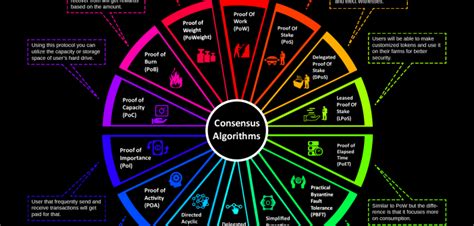
The world of cryptocurrency has become popular in recent years, attracting investors and enthusiasts from all over the world. One of the most significant advantages of cryptocurrency is its potential to provide a high return on investment (ROI). However, to achieve this profit, one must also navigate a complex network of decentralized consensus mechanisms that ensure the integrity and security of transactions.
Crypto Art: The Art of Decentralized Finance
One area where crypto art has made a significant impact is the field of decentralized finance (DeFi). Cryptoart is a form of digital art that uses blockchain technology to create unique, non-fungible tokens (NFTs) that can be traded and stored on the blockchain. These NFTs represent ownership rights to exclusive digital artworks, such as paintings, sculptures, or photographs.
The use of crypto art has been particularly popular in the DeFi context, where artists can sell their work directly to collectors through online marketplaces like OpenSea. This not only provides an additional revenue stream for artists, but also allows them to connect with potential buyers interested in unique digital artworks.
Profiting from Crypto Art
So how can crypto artists profit from selling their NFTs? The answer lies in the decentralized consensus mechanism used by blockchain platforms like Ethereum and Binance Smart Chain. These mechanisms ensure that transactions are secure, transparent, and tamper-proof, allowing NFTs to be bought, sold, and traded without relying on intermediaries.
As a result, crypto artists can profit from the sale of their NFTs in several ways:
- Commissions: Many online marketplaces charge a fee for buying, selling, and trading NFTs. Crypto artists can earn a commission on each sale, which can be a significant source of income.
- Token Price Manipulation: Cryptocurrency market fluctuations can affect the price of an NFT. By strategically placing buy and sell orders, crypto artists can manipulate token prices and profit from short-term market movements.
- NFT Ownership: Crypto artists can own multiple NFTs at the same time, allowing them to diversify their portfolio and generate passive income through rentals or leases.
Decentralized Consensus Mechanisms: The Future of Cryptocurrency
As the cryptocurrency space continues to grow in popularity, decentralized consensus mechanisms will become increasingly important. These mechanisms ensure that transactions are secure, transparent, and tamper-proof, making them ideal for use in DeFi applications.
Some notable examples of decentralized consensus mechanisms include:
- **Proof of Stake (PoS): PoS is a consensus algorithm that rewards validators with tokens or other assets in exchange for maintaining the network. This mechanism has been used in various blockchain platforms, including Ethereum and Binance Smart Chain.
- **Delegated Proof of Work (DPoW): DPoW is similar to PoS, but uses a decentralized validator selection process to select validators. This mechanism has been used in some DeFi applications, such as the Ethereum 2.0 testnet.
Conclusion
Finally, profiting from crypto art and decentralized consensus mechanisms is possible through unique digital artworks, online marketplaces, and blockchain platforms. Using these technologies, crypto artists can diversify their portfolio, generate passive income by manipulating the token price, and generate revenue through NFT ownership and rental fees.